



PURPOSE
Every model is designed for a specific skier.
A ski can be high-performing and yet not be the one desired for the project. For this reason, the first step is not to ask how stiff, fast, or powerful a ski can be, but rather what balance between these characteristics it should have. Each model is therefore developed around a precise combination of objectives.

STABILITY

TRANSMISSION

DEFORMATION CAPACITY

PRECISION
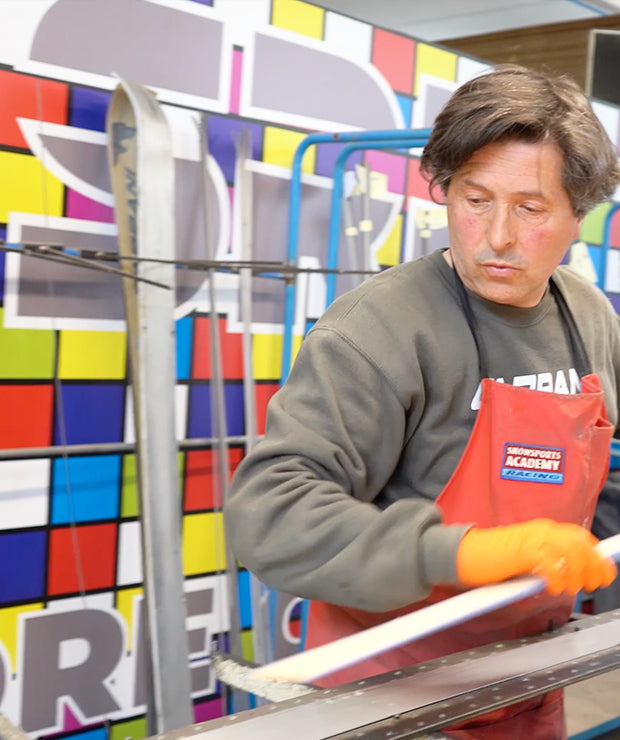
Head of Ski Development
Filippo Carpani
A ski instructor, former coach, and mechanical designer, Filippo Carpani has gained over twenty-five years of experience in the design and development of alpine skis and plates. He coordinates the entire Carpani development process, from the initial definition of product characteristics to the study of geometries and structures, and from the selection and combination of materials to the creation and evaluation of prototypes. His expertise combines mechanical design, knowledge of materials, product development, and direct experience in teaching and practicing skiing. His role is to keep the entire process consistent: what is designed, what is measured, and what is perceived on the snow must converge toward the same product identity.

Architect · Development & Consumer Testing
Andrea Bagnoli
An architect and avid skier, he participates in the development process with a dual perspective. His professional background allows him to support Filippo Carpani in analyzing material behavior and evaluating their consistency with the objectives defined for each project. His contribution specifically concerns the relationship between material properties, ski structure, and the desired response, helping to evaluate the different solutions adopted during prototype development. At the same time, as an advanced non-professional skier, he represents a perspective different from that of testers from the competitive or instructional world. This dual interpretation allows for correlating the technical choices made during development with the sensations perceived by an expert skier who is outside the professional sphere. His contribution therefore helps to verify not only whether a given technical solution produces the intended behavior, but also whether that behavior is perceived consistently by the skier for whom the product is intended.

National Ski Instructor
Alessandro Biolchini
National Instructor, participates in the evaluation of prototypes from a technical and dynamic perspective. His experience allows him to identify with particular precision differences in performance related to corner entry, deformation, grip, responsiveness, stability, and ski control. His contribution represents one of the technical benchmarks of the validation process.
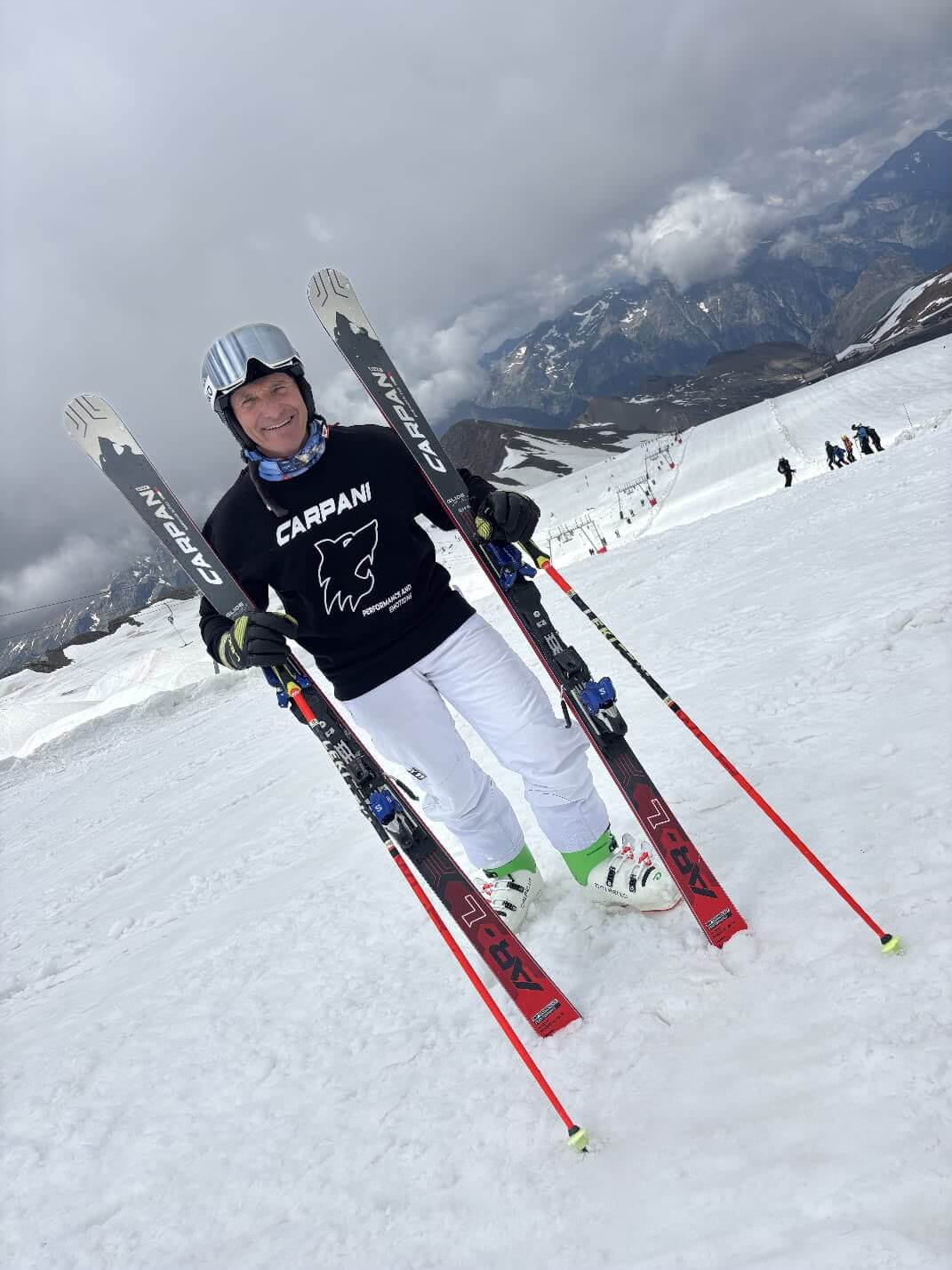
National Ski Instructor
Damiano Riva
As an honorary National Instructor, he participates in the technical and dynamic evaluation of prototypes. His experience allows him to identify with particular precision the differences in ski behavior during turn entry, deformation, edge grip, response speed, stability, and control. His contribution is one of the technical benchmarks of the validation process.

Ski Instructor · Former National Team Athlete
Marta Giunti
Ski instructor and former member of the National Alpine Ski Team. The competitive experience gained at a high level allows for the evaluation of skis under the most dynamic conditions, analyzing their precision, responsiveness, stability, and performance under high stress. Teaching adds a second perspective: the ability to gauge how progressive these characteristics are and how usable they are for skiers with different levels of preparation.
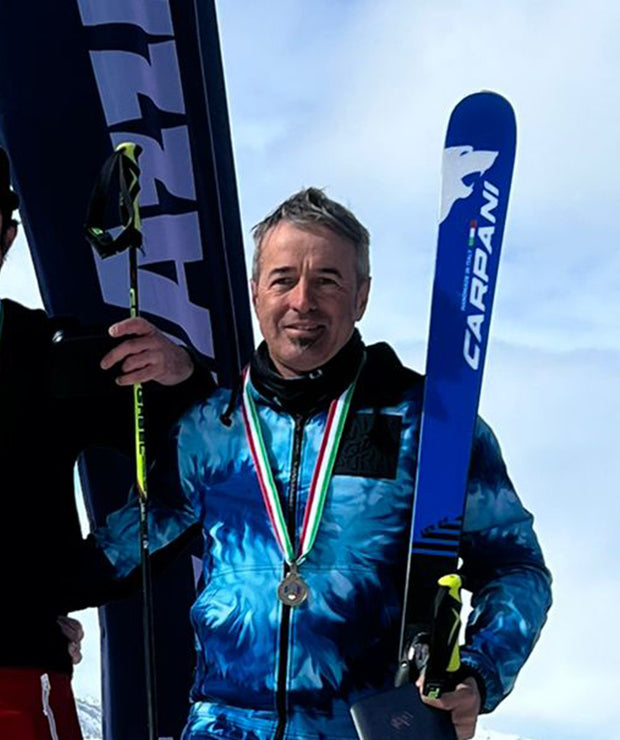
Ski Instructor · Master Racer
Luca Novi
Ski instructor and Master competitor, winner of numerous world and Olympic titles in the Master categories. His extensive racing experience allows him to evaluate precision, stability, responsiveness, and a ski's ability to maintain consistent performance under athletic use. His contribution also provides insight into the product through the sensitivity of an expert competitive skier, who is particularly attuned to variations in setup and ski response.
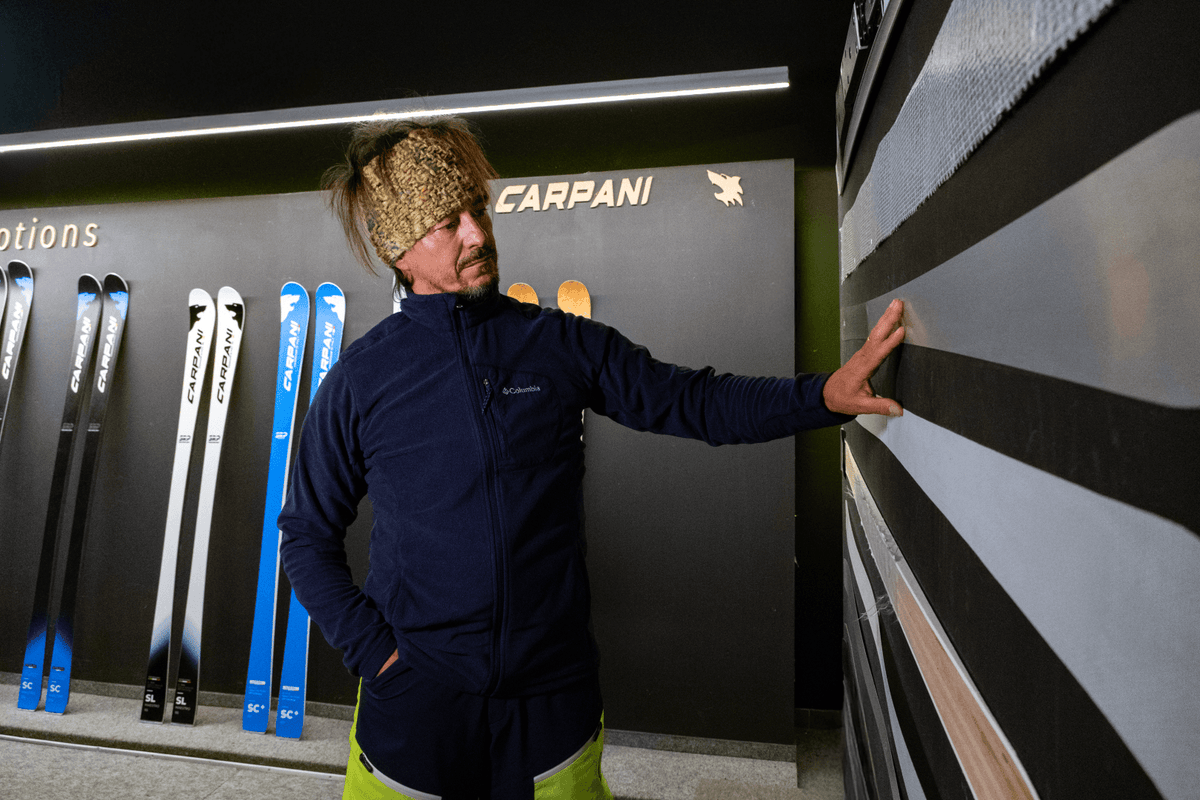
Ski Instructor
Cristiano Noci
As a ski instructor, he participates in testing with particular attention to progressivity, the predictability of reactions, and the quality of the sensations transmitted to the skier. His teaching experience helps verify that the characteristics defined during the design phase are truly perceivable on snow and usable by skiers of different technical levels.

Ski School Director · Ski Instructor
Filippo Chiani
A ski instructor and ski school director, he brings a perspective to the development process gained through the daily observation of skiers with very different characteristics, technical levels, and needs. His experience in teaching and managing a ski school has allowed him to develop a unique sensitivity in recognizing the relationship between a skier's characteristics and equipment behavior. His contribution is therefore focused not only on evaluating the ski in absolute terms, but on the ability to understand for which type of skier certain geometries, structures, and dynamic responses are most appropriate. This perspective is particularly relevant in the development of models intended for non-competitive use, where performance, progressiveness, ease of handling, and level of effort must find a balance consistent with the skier's profile.
From idea to snow
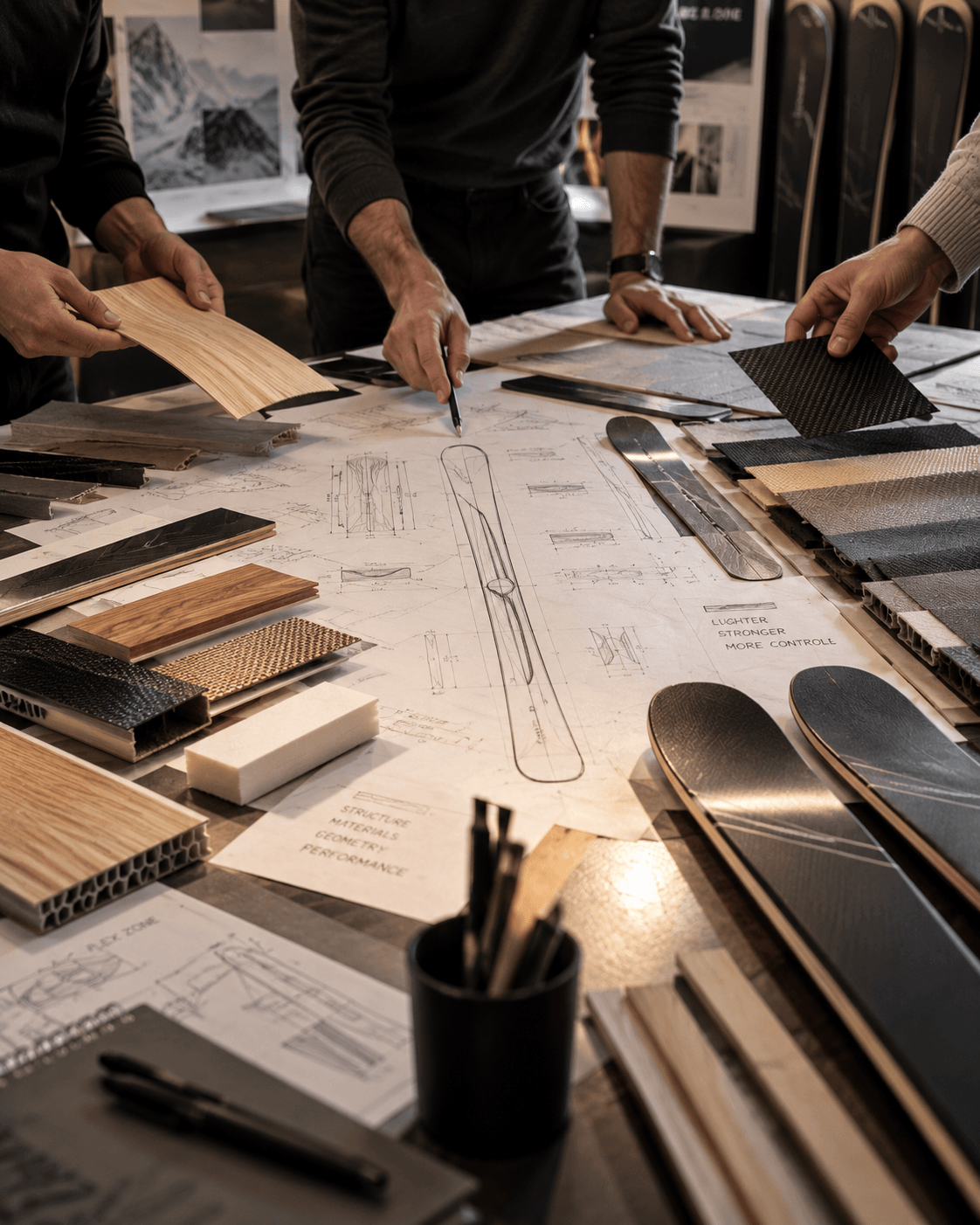
Iteration
Measure. Test. Compare. Modify. Test again.
During testing, each configuration is compared with the previous ones. The testers' feedback is cross-referenced with the data collected in the laboratory. This comparison reveals confirmations, differences, and areas for improvement. The process may lead to adjustments in the structure, material distribution, geometry, or the overall tuning of the ski. New prototypes are then built and tested again. The sequence repeats until the data, on-snow performance, and design objectives converge.
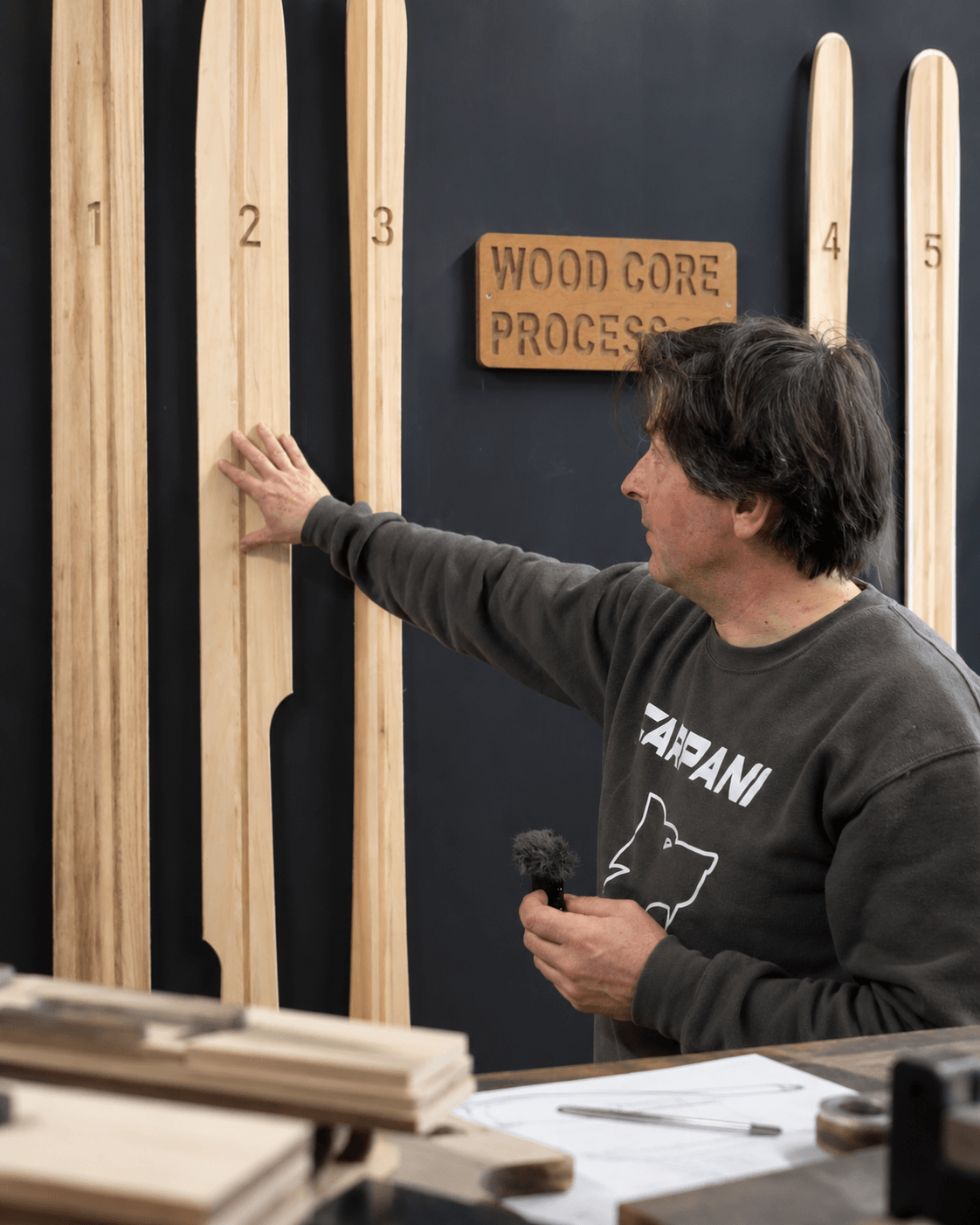
Identity
Not every prototype becomes a product.
A solution may be technically sound and yet not be what we are looking for. It may be fast, stable, or effective, but it might not express the identity defined for that model with sufficient precision. In that case, the work continues. Development only ends when what we have designed, what we have measured, and what the testers perceive on the snow all tell the same story.
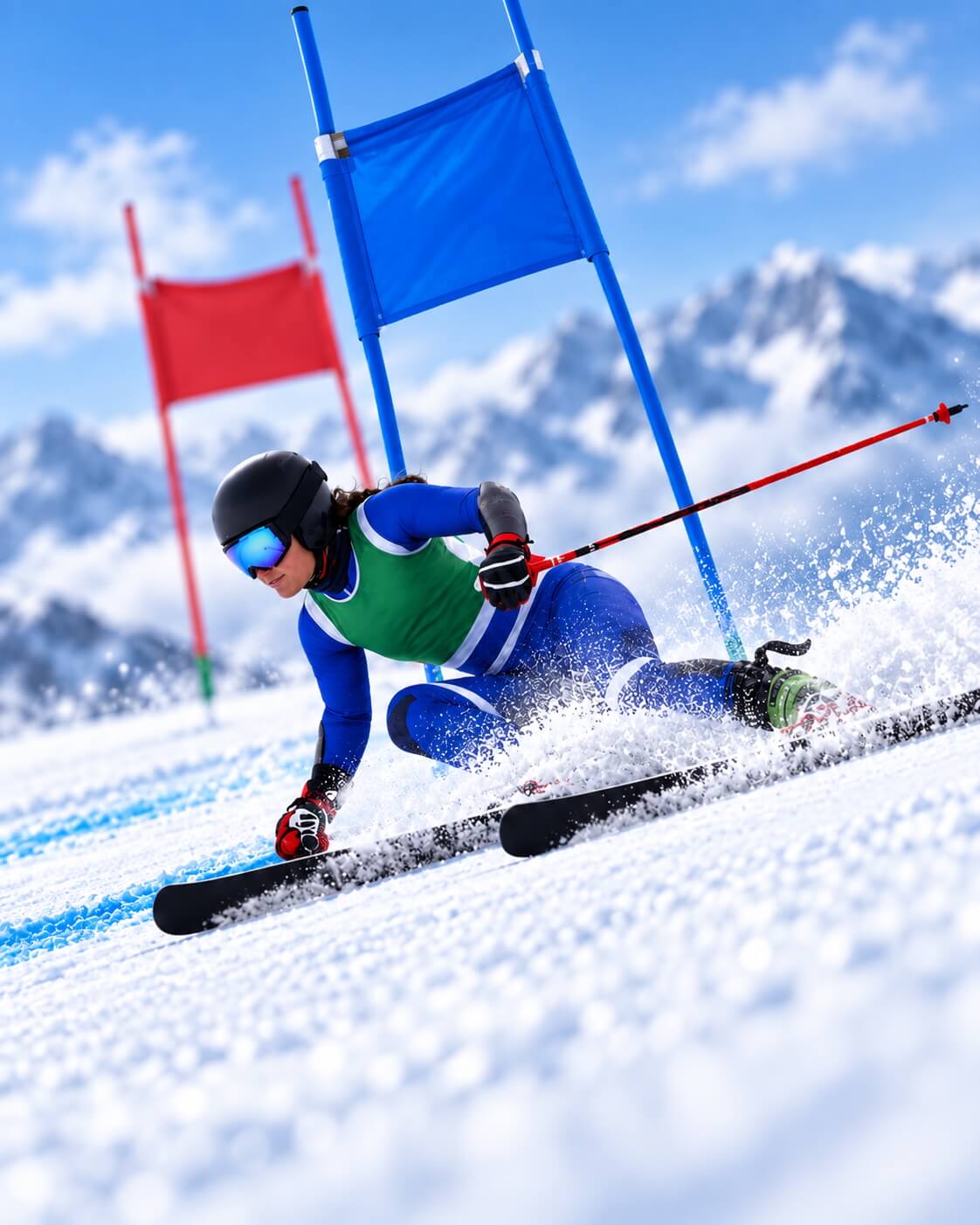
Feeling
When all complexity must disappear.
Only at the end of this process does a project become a Carpani ski. The work that precedes the final product can be complex: materials, geometries, measurements, prototypes, tests, comparisons, and modifications. But on the snow, this complexity must disappear. The skier should not perceive the design, the calculations, or the trials that preceded the product. They should perceive a ski that is precise, consistent, and natural in its responses. A ski that does what it was designed to do. And does it the way it was intended.


